
Why True Culture Lives in Shared Purpose and Meaning
Introduction
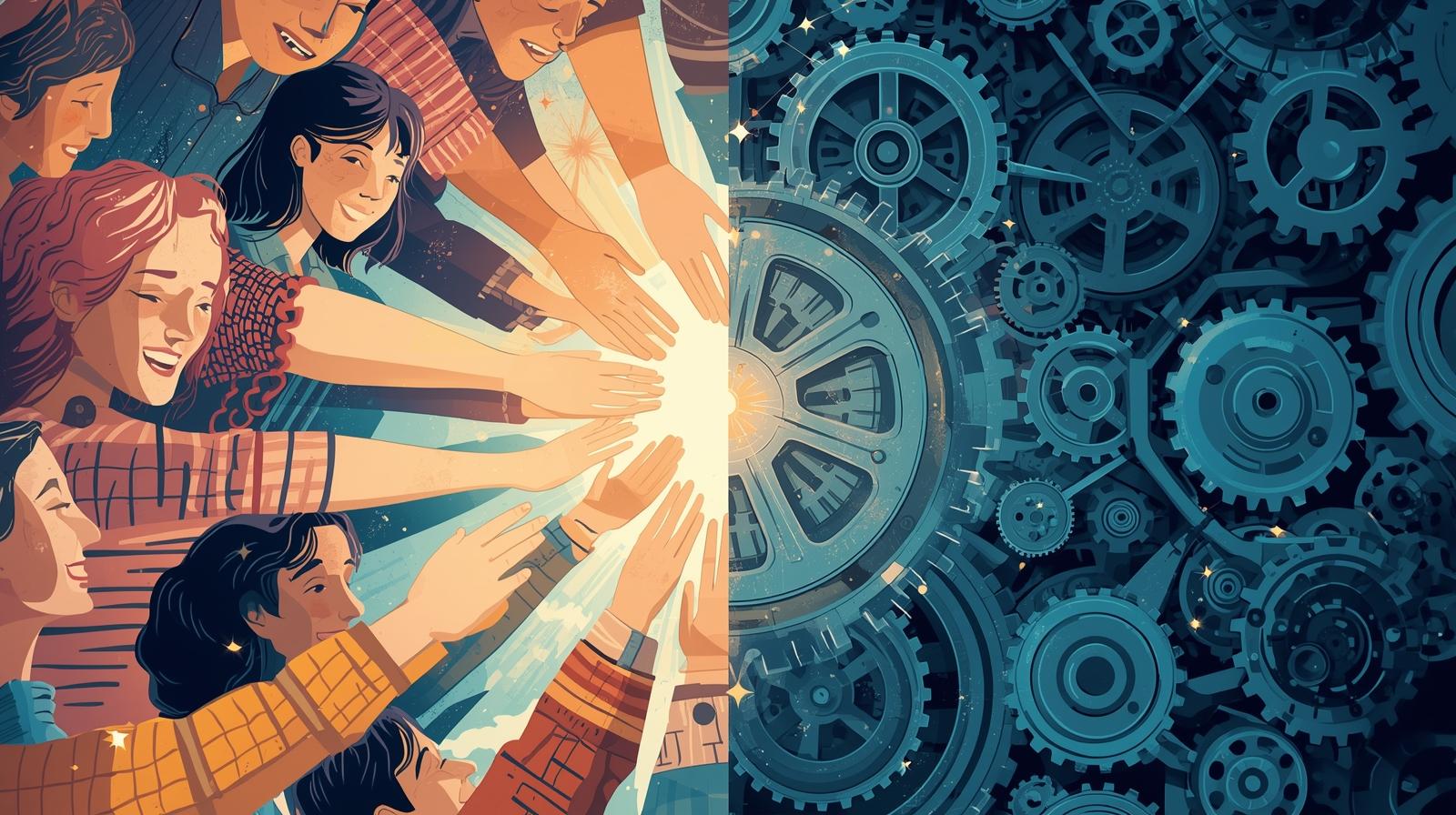
How often have you heard leaders claim, “We need to fix our system to fix our culture”? Listen closely and you’ll hear this argument in countless business articles, LinkedIn posts, and conference talks. It’s an appealing idea: redesign your processes and culture will magically follow. But ask yourself—does a flawless operating manual inspire loyalty, innovation, or genuine connection? Or is culture something deeper, more human, and much less mechanical?
Culture vs. System: Two Different Worlds
A system is a set of mechanisms, processes, and procedures. It’s the backbone of how work gets done—making things efficient, predictable, and repeatable. Systems are visible, rational, and designed.
But culture is not a set of checklists or flowcharts. It is the emotional and social fabric that shapes how people feel about their work and each other. Culture is about belonging, shared experiences, meaningful interactions, and a sense of purpose. The feeling you get working side-by-side with colleagues who care, the pride in solving a challenge together, growing skills together, the story you tell yourself about why your work matters—these are the hallmarks of culture, and they are not manufactured by systems alone.
The Systems are how work is done. Culture is the byproduct of an alignment around WHY something is done.
What Research Really Says About Organizational Culture
Studies consistently show that culture is less about formal structure and much more about shared values, group identity, and meaning:
- Edgar Schein’s influential “three-layer” model explains that organizational culture consists of beliefs, expectations, norms, and values shared by members, and draws clear connections between culture and rituals, symbols, and stories within organizations. Edgar Schein’s definition of organizational culture from his influential book, Organizational Culture and Leadership (1985) is:
“A pattern of shared basic assumptions that are invented, discovered, or developed by a given group, as it learns to cope with its problems of external adaptation and internal integration, that have worked well enough to be considered valid and, therefore, is to be taught to new members of the group as the correct way to perceive, think, and feel concerning those problems.”
- Research published in the Annual Review of Organizational Psychology links meaningful work directly to motivation, commitment, wellbeing, and creativity. When people find significance in what they do, their engagement and loyalty soar—regardless of how streamlined the processes are.
- Social identity theory shows that a sense of “we-ness”—the belief that you belong to something bigger than yourself within the group—is a key driver of both satisfaction and performance. Systems may facilitate group action, but they do not generate that emotional bond.
Other works, like Daniel Pink’s book DRiVE, highlight how the three drivers of motivation; Meaning, Autonomy, and Mastery, contribute to culture when these are incorporated into the fabric and arc of an organizations purpose.
What Culture is Not
- Culture is not your workflow software, your org chart, or even your stated “values” if those values aren’t lived by your people.
- Culture is not updating or changing systems. These enable desired behaviors—but without meaningful, shared purpose those behaviors are empty.
- Culture is not the machinery of systems. True culture emerges from human connection, purpose, and the experiences and stories we live together—not mechanisms.
What Does This Mean for Leaders and Change Makers?
If you want to transform culture, don’t start by tinkering with processes. Ask deeper questions like:
- Do our people feel their work matters? This is MEANING
- Do our people feel listened to and believe their efforts and ideas are followed up and followed through with? This is RESPECT
- Do they experience a sense of shared identity and belonging at work? This is COMMUNITY
- Do work groups and social groups reflect the purpose, vision, and mission of the organization? This is ALIGNMENT
- Are spoken or written values actually reflected in daily experiences and relationships? This is INTEGRITY
Putting Culture into Action
At Roeder Consulting, we believe genuine transformation is about cultivating A Sixth Sense for Project Management®—the ability to sense, interpret, and nurture the human currents that drive organizational success. The Roeder Method™ doesn’t treat culture as a bolt-on system but as the living, breathing heart of your organization.
The successful execution of Strategy and Project initiatives depend on strong cultural behaviors. Ready to move beyond the mechanics and unlock a culture of true engagement and lasting success?
Together, let’s build organizations where meaningful work and shared purpose aren’t just buzzwords, but reality. Reach out to the Roeder team at info@roederconsulting.com
